Watercolor Silhouetted Figures Balloon Review
As a designer who spends more time behind an embroidery machine than a computer screen, I approach every new machine embroidery design with a healthy dose of skepticism. We have all downloaded files that look stunning in digital preview software but turn into thread nests or stiff cardboard patches once stitched out. When evaluating the Watercolor Silhouetted Figures Balloon for potential use in client projects and shop inventory, my primary concern is always translatability. Does this illustration retain its whimsical, artistic integrity when converted from pixels to polyester? After reviewing this design specifically through the lens of production and wearability, I see it as a strong contender for specific niches, provided you respect the technical limitations of watercolor-style digitizing.
Capturing Whimsy Without Compromising Wearability
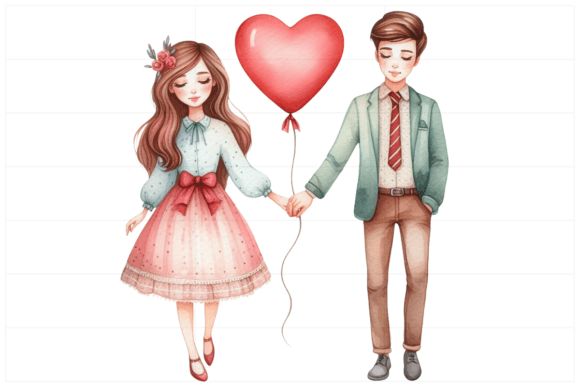
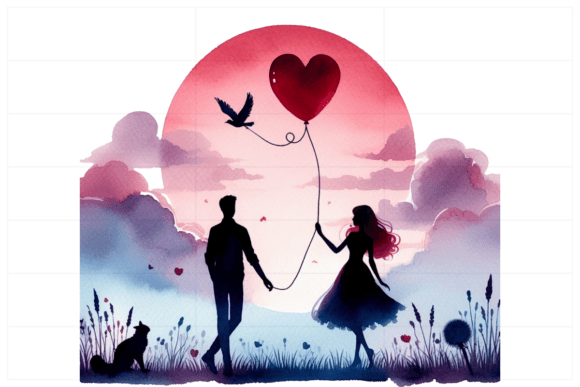
The immediate appeal of Watercolor Silhouetted Figures Balloon lies in its emotional resonance. It strikes a balance between nostalgia and modern minimalism that is currently dominating the Etsy seller and boutique market. The silhouette style suggests movement and joy without requiring hyper-realistic facial details, which is a massive advantage in embroidery. Hyper-realism often demands excessive stitch density, leading to bulletproof garments. This design, however, appears to leverage negative space and lighter fill stitch areas to mimic the translucent quality of watercolor paint.
For a craft business owner, this aesthetic is versatile. It does not scream "seasonal," meaning it can be sold year-round as nursery decor, birthday apparel, or sentimental gifts. The visual personality feels soft and organic, making it ideal for products where comfort is paramount. Unlike rigid geometric designs, the flowing lines of the figures and balloon suggest a softer hand-feel, which is critical when selling baby embroidery items or lightweight custom apparel.
Real-World Application: Stitching a Toddler Sweatshirt
To truly judge this embroidery file, I mentally placed it in a real production scenario: creating a personalized toddler sweatshirt for a fall boutique collection. This is a high-stakes project because toddler clothing requires softness, durability, and safety. A dense, scratchy design on a size 3T sweatshirt is an automatic return or bad review.
In this context, Watercolor Silhouetted Figures Balloon performs well because the silhouette format allows for strategic underlay. Instead of packing solid color blocks, the watercolor effect likely utilizes varied stitch lengths and spacing. On a fleece or French terry sweatshirt, this prevents the fabric from buckling. However, as a reviewer, I must note that the "watercolor" shading relies heavily on thread blending. If you are using a single-needle machine, plan your thread colors meticulously. You may need three or four shades of the same hue to achieve that gradient wash effect without creating harsh lines. For multi-needle users, this design offers a chance to showcase color blending capabilities that elevate a simple sweatshirt embroidery project into a premium handmade product.
I also considered this design for a canvas tote bag design. Canvas is unforgiving; it shows every registration error. The organic edges of a watercolor silhouette are actually beneficial here. Unlike crisp vector art where a 1mm shift is obvious, the painterly edges of this design forgive minor registration shifts caused by fabric pull. This makes it a safer bet for makers working with less stable substrates.
Navigating Fabric Textures and Stabilizer Choices
While the design is beautiful, it demands respect regarding substrate selection. Watercolor styles generally struggle on highly textured fabrics like terry cloth or ribbed knits. The subtle color transitions that define the Watercolor Silhouetted Figures Balloon will get lost in the pile of a towel or the ribs of a sweater. Stick to smooth, tight-weave fabrics for the best fidelity. Linen, quilting cotton, smooth fleece, and poplin are your best friends here.
Stabilizer choice is non-negotiable. Because watercolor digitizing often involves complex layering to create depth, the stitch count can accumulate faster than expected. Even if the design looks airy, verify the density before hooping. For stretchy knits, use a cut-away stabilizer to prevent the design from distorting after washing. If you are attempting this on a dark fabric, be aware that watercolor effects usually rely on light thread colors to show shading. You may need to stitch a white underbase first, which adds significant density. Always test on a scrap of your actual garment material before committing to a finished product.
Commercial Viability and Product Value
For those running a commercial embroidery business or selling digital assets, this design holds distinct value. In the realm of personalized gift items, silhouettes allow customers to project their own memories onto the product. It feels custom even before you add a name. This psychological connection increases perceived value and buyer engagement.
However, a word of caution for digital sellers and POD (Print on Demand) creators: Watercolor designs are notoriously difficult to mock up accurately. A flat printable mockup rarely captures the sheen and texture of embroidered thread. If you sell this as a digital embroidery file, provide photos of actual stitch-outs alongside your digital renders. Transparency builds trust. Customers need to see how the shading translates to thread. Furthermore, ensure you understand the licensing. Just because a design is categorized under Illustrations does not automatically grant unlimited commercial rights for mass production. Always verify terms before listing small shop product lines.
Designer Notes for Successful Execution
Before you hoop up Watercolor Silhouetted Figures Balloon for a paid order, run through this practical checklist derived from years of troubleshooting artistic embroidery:
- Audit the File First: Open the embroidery file in your editing software. Check the total stitch count and color changes. Ensure the design fits your hoop size with adequate margin for stabilization. Do not assume the listed size is safe for your specific machine's maximum field.
- Contrast Check: View the design in grayscale within your software. If the silhouette disappears against the background fill in black and white, it will lack definition in thread. You may need to adjust contrast or add a subtle outline.
- Thread Selection Matters: Matte threads often render watercolor effects better than high-sheen rayon, which can make the design look plastic. Consider cotton or matte polyester threads to maintain the artistic illusion.
- Test on Scrap: Never skip this step. Stitch the design on the exact fabric you intend to use. Wash and dry the sample. Watercolor fills can sometimes pucker after laundering if the tension wasn't perfect during stitching.
- Scale Responsibly: Avoid resizing this design down significantly. Reducing a watercolor design compresses the shading stitches, turning nuanced gradients into muddy blobs. If you need a smaller version, look for a file specifically digitized for that size rather than shrinking the original.
- Verify Licensing: Confirm whether the license covers physical products, digital files, or both. Protect your craft business by respecting intellectual property boundaries.
Final Verdict for Makers
Watercolor Silhouetted Figures Balloon is a sophisticated addition to any embroiderer’s library, particularly for those targeting the nursery, children’s apparel, and sentimental gift markets. It avoids the trap of being overly cutesy while remaining deeply emotive. Success with this design hinges on understanding that it is an interpretation of paint, not a photograph. Treat it with the technical care required for artistic embroidery—smooth fabrics, proper stabilization, and thoughtful thread selection—and it will yield professional, sellable results that stand out in a saturated handmade marketplace. Whether you are stitching a keepsake blanket or stocking your Etsy shop, this design offers a beautiful intersection of art and craft when executed with intention.