Watercolor Couple with Heart Balloon: Design Review
When evaluating a new machine embroidery design for my studio, I look past the digital preview and immediately visualize how the stitches will interact with fabric. The Watercolor Couple with Heart Balloon caught my attention because it sits squarely in the popular Illustrations category, but its true test lies in physical execution. As a designer who creates everything from custom apparel to boutique merchandise, I need to know if this artwork translates into a high-quality finished product or if it is merely a pretty screen image. My assessment focuses on stitch integrity, commercial viability, and the emotional resonance required for personalized gifts.
First Impressions and Emotional Resonance
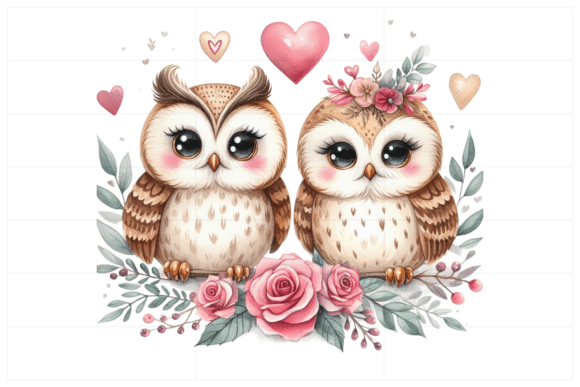
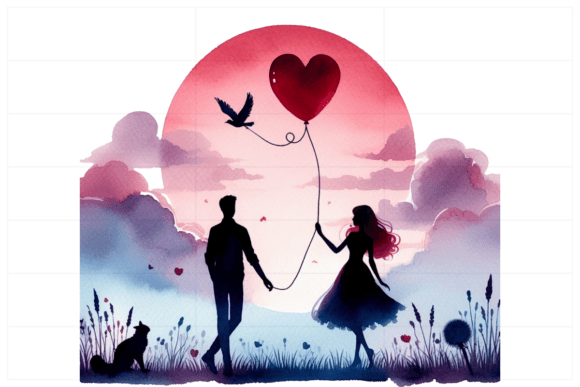
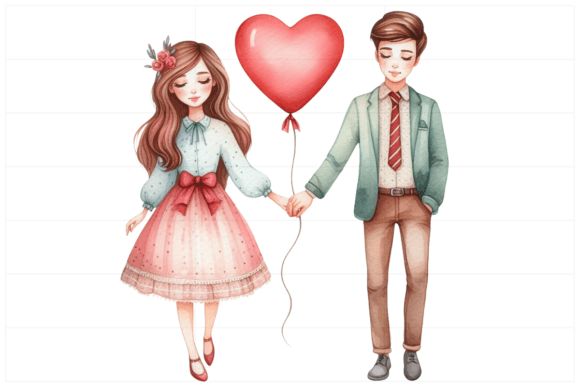
The initial appeal of the Watercolor Couple with Heart Balloon is its softness. Unlike rigid vector art, watercolor-style embroidery relies on blending thread colors to mimic paint washes. This specific design evokes a sense of nostalgia and romance without being overly saccharine. For an Etsy seller or small shop owner, this mood is critical. Customers buying anniversary gifts, wedding decor, or Valentine’s merchandise are purchasing a feeling as much as a physical item. The layout feels balanced, with the couple anchoring the bottom and the heart balloon providing vertical movement. This composition naturally suits center-chest placement on sweatshirts or the focal point of a tote bag design. However, visual balance on a screen does not always guarantee stability under the needle, which leads to my practical evaluation.
Performance on Apparel and Custom Projects
I recently considered this design for a run of premium cotton sweatshirts intended for a bridal party. In this real-world scenario, the Watercolor Couple with Heart Balloon needs to perform on fleece-backed fabric, which can be unforgiving. Watercolor effects typically require complex fill stitch layering to create gradients. On a sweatshirt, this density can actually be beneficial; the heavier fabric supports the stitch count better than thin knits. The result was a plush, textured feel that customers associate with high-end handmade products.
For custom apparel like t-shirts, however, caution is necessary. If the digitizer has used excessive underlay to achieve the watercolor blend, the design might become too stiff or heavy for lightweight jersey. I recommend checking the stitch density before committing to bulk production. Conversely, when testing this as a tote bag design on canvas, the structure held up beautifully. Canvas provides a stable foundation for detailed illustrations, allowing the satin stitch outlines and fill stitch gradients to register clearly without distortion. This makes it an excellent candidate for craft fair products where durability and visual impact drive sales.
Navigating Fabric Limitations and Hoop Sizes
Not every project is a safe harbor for intricate illustrations. While the Watercolor Couple with Heart Balloon shines on stable substrates, it requires careful handling on stretchy or textured fabrics. If you are planning baby embroidery on onesies, the open weave and stretch of interlock cotton can cause registration issues between color layers. You must use a high-quality stabilizer, potentially doubling up or using a fusible mesh, to prevent the watercolor shading from puckering. Puckering destroys the illusion of painted fabric instantly.
Hoop size is another non-negotiable factor. Watercolor designs often lose their charm when shrunk too small. The blending stitches need space to transition smoothly. If your hoop size forces you to reduce the design below 4x4 inches, inspect the tiny details closely. Facial features or fingers on the couple may merge into indistinct blobs if scaled down excessively. Always verify the minimum recommended size in the embroidery file metadata. Additionally, avoid placing this design over seams, pockets, or curved surfaces like caps unless you have advanced hooping skills. The flat nature of most illustration-style embroidery files fights against curvature, leading to gaps in the running stitch borders.
Commercial Viability for Makers and Sellers
For creative entrepreneurs, the value of a digital embroidery file extends beyond personal use. Does this design sell? Based on current market trends, the Watercolor Couple with Heart Balloon has strong commercial potential. It fits multiple niches: wedding season, date night merch, nursery decor, and holiday embroidery. However, professionalism dictates that you understand licensing before listing items. Ensure your purchase includes commercial rights for finished products if you intend to sell embroidered patches, pillows, or apparel.
Visual presentation matters as much as the stitching itself. When creating printable mockups for your online store, test the design against both light and dark backgrounds. Watercolor threads often rely on white or cream base layers. On dark fabric, these designs can disappear or look muddy unless the digitizer included a specific white underlay block. I advise stitching out a sample on black fabric before marketing it for dark garments. Customer trust is built on accurate representation; if your mockup shows vibrant contrast but the actual product looks washed out due to poor thread color choice, returns will follow.
Practical Designer Notes for Success
To ensure the Watercolor Couple with Heart Balloon meets professional standards in your studio, adhere to these operational guidelines:
- Test Stitch First: Never run this design directly onto a final product without a sew-out. Watercolor styles vary wildly between digitizers. Check for jump stitches, trim frequency, and overall texture.
- Thread Color Verification: Digital previews often use RGB colors that embroidery thread cannot match. Compare the design's palette to your physical thread chart. You may need to substitute shades to maintain the intended warmth and depth.
- Stabilizer Strategy: Match your stabilizer to the fabric weight. Use cut-away for knits and apparel to support the dense fill stitch areas long-term. Tear-away is rarely sufficient for complex illustrations unless working with very sturdy canvas.
- Detail Inspection: Zoom in on the embroidery file within your software. Look for overlapping satin stitches that might cause needle breaks or excessive bulk. Clean up any unnecessary trims to improve production speed.
- Mockup Accuracy: Create realistic digital product previews. Avoid generic clip-art placements. Show the design on the actual type of garment or item you sell to set correct buyer expectations regarding scale and placement.
- Licensing Compliance: Re-read the terms of use. Some designers allow unlimited finished product sales but prohibit sharing the digital embroidery file or using it for print-on-demand services. Protect your business by staying compliant.
Elevating the Handmade Standard
Ultimately, the Watercolor Couple with Heart Balloon represents the intersection of artistic illustration and technical craftsmanship. When executed correctly, it elevates a simple garment or accessory into a cherished personalized gift. The key takeaway for makers is respect for the medium. Treat this design as a collaboration between the digitizer’s vision and your machine’s capabilities. By paying attention to fabric compatibility, stabilizer choices, and color accuracy, you transform a digital asset into a tangible piece of art that resonates with clients. Whether you are stocking an Etsy shop or fulfilling a custom commission, this level of diligence distinguishes a hobbyist from a professional embroidery business.