Herbal Teapots Watercolor Clipart: A Visual Designer’s Take for Bloggers & Publishers
As a blog designer and digital publisher, I’m always on the hunt for design assets that elevate editorial content without overwhelming the message. The Herbal Teapots Watercolor Clipart caught my eye immediately—not just for its aesthetic appeal, but for how well it fits into modern content workflows. Whether you're crafting a cozy lifestyle blog, designing a downloadable herbal guide, or creating Pinterest pins that stop the scroll, this set of illustrations brings a soft, organic charm that feels both professional and approachable.
First Impressions: Calming, Organic, and Editorial-Friendly
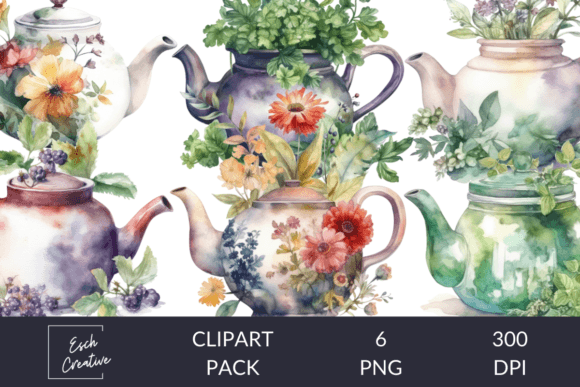
Opening the Herbal Teapots Watercolor Clipart folder, I was struck by the gentle color palette and hand-painted textures. These aren't sharp vector graphics or minimalist line art—they're warm, slightly imperfect, and full of character. The watercolor style immediately suggests a lifestyle, wellness, or botanical niche. Think herbal tea guides, self-care content, or nature-inspired editorial features.
From a visual communication standpoint, these illustrations evoke a sense of calm and craftsmanship. They’re perfect for content that wants to feel authentic, personal, and artisanal. The subtle imperfections in the brushstrokes add depth without distracting from the core message. For bloggers and publishers, this means your visuals can feel intentional without looking overly polished or artificial.
Real-World Publishing Uses for Herbal Teapots Watercolor Clipart
Let’s talk practicality. I tested this graphic design asset across several real publishing scenarios:
- Blog featured images – Paired with soft background tones, the teapots create a warm, inviting header for herbal tea roundups or wellness tips.
- Pinterest pins – The natural colors and organic shapes make for highly visual, scroll-stopping graphics, especially in niches like health, home, and self-care.
- Newsletter banners – Used as a background accent or sidebar icon, it adds a touch of elegance to email layouts.
- Downloadable guides and worksheets – Perfect for section dividers, chapter headers, or printable herbal tea charts.
- Canva templates – Easily layered with text or other design elements, this set works well in pre-built templates for blog graphics or social media posts.
In each case, the Herbal Teapots Watercolor Clipart added a layer of editorial sophistication without competing with the content. It's the kind of design asset that supports your message rather than overshadows it.
How This Design Asset Boosts Content Performance
As a digital publisher, I’m always evaluating how design choices affect engagement. Here’s what this clipart set brings to the table:
- Stronger first impression – The organic aesthetic draws the reader in with warmth and familiarity.
- Clearer visual hierarchy – Works well as a background or accent element without overpowering headlines or calls to action.
- Better click-through potential – Especially on Pinterest, where soft, lifestyle-focused visuals perform well.
- Consistent branding – If your brand leans into natural, handcrafted aesthetics, this clipart helps maintain a cohesive look across platforms.
- Improved reader trust – The handmade feel fosters authenticity, which readers often associate with transparency and care.
Where Herbal Teapots Watercolor Clipart Works Best
Based on real-world testing, here are the best use cases for this editorial-friendly graphic design asset:
- Hero images – Use as a subtle background or overlay on lifestyle or wellness landing pages.
- Article thumbnails – Works beautifully for tea-related posts or nature-inspired content.
- Pinterest pins – The color depth and texture stand out in Pinterest’s visual feed.
- Blog graphics – Ideal for content upgrades, quote cards, or recipe highlights.
- Newsletter headers – Adds a soft, editorial touch to email campaigns.
- Social media previews – Great for Instagram Stories or Facebook posts with a lifestyle or botanical theme.
Where to Use It Carefully
Despite its many strengths, the Herbal Teapots Watercolor Clipart isn’t a one-size-fits-all solution. Here’s where to tread carefully:
- Small mobile thumbnails – The delicate details can get lost at very small sizes.
- Text-heavy blog images – Avoid using it behind large blocks of text unless you adjust contrast and opacity.
- Low-contrast backgrounds – Make sure the clipart doesn’t blend in with your background color.
- Busy layouts – In visually dense designs, it can feel cluttered or distracting.
- Serious professional niches – Not ideal for finance, tech, or corporate content where minimalism and clarity are key.
- Minimalist websites – If your brand leans into ultra-clean, modern design, this may feel out of place.
Publisher’s Notes: What to Test Before Publishing
Before dropping this into your live content, here are a few practical checks I recommend:
- Preview on desktop and mobile – Ensure the details remain visible and legible on smaller screens.
- Test as a thumbnail – Zoom out to see if the clipart still communicates its intended theme.
- Place it inside a real blog layout – See how it interacts with your fonts, headlines, and body text.
- Try with different fonts – Works best with serif, script, and handwritten fonts. May feel mismatched with ultra-modern sans-serif typefaces.
- Check contrast and readability – Especially if you're overlaying text on top of the clipart.
- Test in black and white – Helps identify whether the design still holds visual weight without color.
- Review file size – Make sure the image is optimized for web performance. Compress if necessary.
- Confirm commercial licensing – Always double-check usage rights, especially for monetized blogs, affiliate marketing, or digital products.
Final Thoughts: A Thoughtful Design Asset for Lifestyle Publishers
The Herbal Teapots Watercolor Clipart isn’t just another digital download—it’s a versatile graphic design asset that can elevate your blog visuals, editorial design, and downloadable content. Whether you're a small business owner building a natural brand, a content creator crafting a digital guide, or an affiliate marketer designing Pinterest-friendly content, this set offers a unique blend of editorial charm and usability.
As a designer, I appreciate how it supports visual storytelling without demanding too much attention. It’s the kind of asset that works quietly in the background, helping your content feel cohesive, trustworthy, and professionally designed. If your niche leans into wellness, herbalism, lifestyle, or creative content marketing, this is a design tool worth adding to your creative marketplace toolkit.