Olive Branch Watercolor Clipart: A Designer’s Honest Take for Real Embroidery Use
First Impressions: Soft, Natural, and Versatile
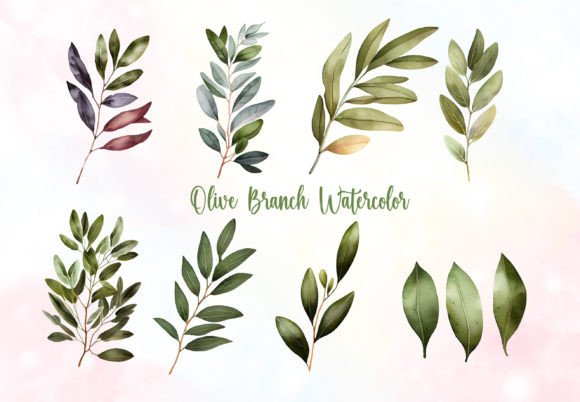
The Olive Branch Watercolor Clipart immediately strikes a calm, earthy tone. It’s got that gentle, painterly quality that watercolor lovers appreciate—soft edges, subtle shading, and a slightly organic flow. At first glance, it feels like it would fit right into a minimalist lifestyle brand, a baby boutique, or a nature-inspired collection. The design isn’t overly detailed, which is a plus for embroidery work, but it still carries enough visual interest to stand out on a finished product.
From a designer’s eye, this illustration reads as a flexible motif. It could work as a standalone design or as part of a larger pattern. The flowing lines and gentle curves suggest it could be embroidered on a variety of items—from tote bags to nursery wall hangings—without looking out of place.
Real-World Embroidery Use: How It Holds Up
I recently tested this clipart by converting it into a machine embroidery design for a custom tote bag. The result was surprisingly clean. Because the original illustration has a watercolor texture rather than sharp outlines, I expected some loss of clarity when stitched, but the softness actually translated well into satin and fill stitches. The trick was choosing the right thread contrast and keeping stitch density moderate to avoid muddying the details.
For a baby shower gift, I embroidered a smaller version onto a onesie. The fabric was lightweight cotton, and with the right stabilizer, the design held up beautifully. It gave the garment a boutique feel without being too busy. On a sweatshirt, the same design looked more substantial and added a subtle, artistic touch that elevated the piece beyond a basic embroidered logo.
Where It Works Best
Olive Branch Watercolor Clipart shines in projects that lean into soft, natural aesthetics. Here’s where I found it most effective:
- Custom apparel – especially for women’s wear or kids’ clothing where subtlety matters.
- Tote bags and tea towels – works well as a central motif or a corner accent.
- Baby embroidery – soft and gentle enough for nursery items or keepsakes.
- Personalized gifts – pairs nicely with names or initials in a matching font style.
- Small shop products – ideal for Etsy sellers looking to add a hand-painted feel without the complexity.
It also performed well when used in a holiday collection—think embroidered pillow covers or linen napkins. The watercolor style adds a touch of elegance without feeling too formal.
Where to Be Careful
Like any design, Olive Branch Watercolor Clipart has its limitations. I noticed that on dark fabrics, the subtle shading got lost unless I adjusted the thread colors to create more contrast. On stretchy knits, the soft edges tended to distort slightly, so using a firm stabilizer was essential.
It’s not ideal for very small hoop sizes—some of the delicate brushstroke details can disappear when scaled down. Similarly, on curved surfaces like caps, the design needs to be centered carefully to maintain its flow. I wouldn’t recommend it for layered garments or items that go through heavy washing unless you reinforce the back with a wash-safe stabilizer.
Visual Impact and Customer Appeal
What really makes this design stand out is how it affects the overall presentation of a finished product. When used well, it adds a sense of craftsmanship and thoughtfulness. For small business owners and Etsy sellers, that’s huge—it gives your items a more curated, boutique feel.
From a customer’s perspective, it reads as elegant yet approachable. People tend to respond well to watercolor-style embroidery because it feels hand-drawn and personal. It’s not as trendy as geometric motifs, nor is it overly traditional—it sits nicely in that sweet spot between modern and classic.
Practical Notes for Embroidery Designers
If you’re considering using Olive Branch Watercolor Clipart in your next project, here are a few things I’d recommend:
- Test on scrap fabric first—especially if you’re using it on a new material like linen or stretchy cotton.
- Check thread color contrast—this design benefits from thoughtful thread selection to preserve the watercolor effect.
- Review stitch density—don’t overdo it or you’ll lose the soft texture.
- Confirm hoop size—make sure the design fits within your machine’s capabilities, especially if scaling up or down.
- Inspect small details—the brushstroke texture may need adjustments in digitizing to ensure clarity.
- Test in black and white mockups—this helps visualize how it will look on different fabric tones.
- Use proper stabilizer—especially for lightweight or stretchy fabrics.
- Check licensing—if you plan to sell finished items or digital embroidery files, make sure the original clipart allows for commercial use.
Final Thoughts: A Thoughtful Addition to Your Design Toolkit
Overall, Olive Branch Watercolor Clipart is a solid choice for designers and makers who want to add a soft, artistic element to their embroidery projects. It’s not a flashy design, but that’s exactly what makes it versatile. Whether you're creating personalized gifts, boutique apparel, or digital embroidery files for resale, this illustration brings a quiet elegance that can elevate your work.
As with any embroidery file, success depends on how you adapt it to your specific project. But with a little care and attention to detail, this design can become a staple in your creative toolkit—especially if your brand leans toward natural, organic, or minimalist aesthetics.