Watercolor Pink Rose Clipart for Wedding Embroidery
As a professional embroidery designer who has digitized and stitched countless floral motifs, I approach every new asset with a critical eye. When evaluating Watercolor Pink Rose Clipart, Wedding, my first thought isn't just about how pretty the digital illustration looks on screen; it is about how those soft, blended watercolor edges will translate into physical thread. This specific design category of Illustrations offers a romantic, vintage aesthetic that is currently dominating the bridal and personalized gift market. However, moving from a pixel-based clipart to a tangible embroidered patch or custom apparel requires understanding the relationship between digital art and stitch mechanics.
First Impressions and Aesthetic Translation
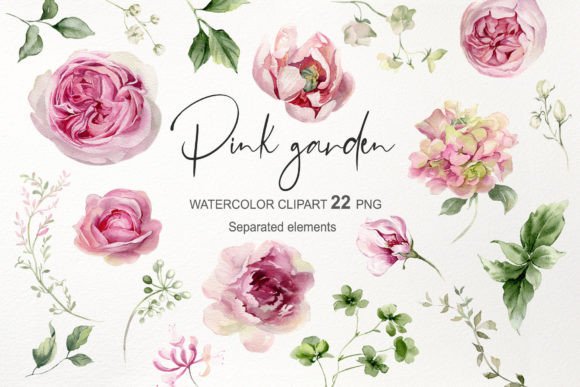
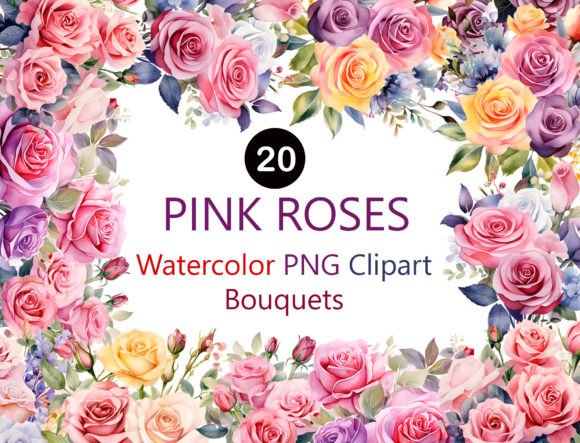
The visual personality of this Watercolor Pink Rose Clipart, Wedding asset is undeniably soft and feminine. It evokes a sense of timeless elegance rather than modern minimalism. For an embroidery project, this mood dictates your thread selection and stabilizer choices immediately. Unlike vector art with hard lines, watercolor styles rely on color blending and shading. In machine embroidery, this means we are looking at complex fill stitches and potentially high stitch density to replicate that painted effect. The shape feels organic and flowing, which suggests it would serve beautifully as a centerpiece for a tote bag design or a delicate accent on baby embroidery items. It does not feel rigid, making it ideal for projects where the fabric needs to retain some drape and softness.
Real-World Application: Stitching a Bridal Tote
To truly judge the viability of this design, I recently tested it in a real-life scenario: creating a custom embroidered tote bag for a bride’s getting-ready kit. This is a staple handmade product for Etsy sellers and small shop owners. The goal was to create a personalized gift that felt luxurious but durable enough to hold heavy bottles and shoes.
Using this Watercolor Pink Rose Clipart, Wedding file as the base, I had to consider the canvas texture of the tote. Watercolor designs can sometimes get lost on coarse fabrics if the stitch density is too low. I found that this particular illustration worked best when paired with a smooth satin stitch border to define the petals against the textured background. The result was a stunning contrast between the matte canvas and the sheen of the rayon thread colors. For fellow craft business owners, this application proves that the design holds up well on utilitarian items, not just decorative nursery decor. It elevated the perceived value of the finished product significantly, turning a simple bag into a boutique-quality keepsake.
Performance Across Different Substrates
Versatility is key for any commercial embroidery asset. While the bridal tote was a success, this design behaves differently across various materials commonly used in small business merchandise.
- Sweatshirt Embroidery: On fleece and French terry, the watercolor effect shines because the pile of the fabric helps blend the thread transitions. However, you must use adequate stabilizer to prevent the dense floral center from distorting the knit fabric.
- Baby Clothes and Onesies: Caution is required here. Watercolor illustrations often require higher stitch counts to achieve shading. For baby embroidery, ensure the back of the design is covered with a soft fusible backing to prevent skin irritation from dense fill stitches.
- Tea Towels and Linens: This is perhaps the safest and most effective application. The tight weave of linen supports the detail of the pink rose without puckering, making it perfect for holiday embroidery or wedding favors.
- Caps and Curved Surfaces: Be wary. The organic, spreading shape of a watercolor rose can be difficult to hoop correctly on a curved cap brim. Distortion is likely unless you have advanced digitizing skills to compensate for the curve.
Navigating Technical Limitations and Fabric Choices
Every embroidery designer knows that beautiful art can become a stitching nightmare if technical limits are ignored. With Watercolor Pink Rose Clipart, Wedding, there are specific environments where I would advise proceeding with caution.
Dark Fabrics: Watercolor relies on light passing through layers to create depth. On black or navy garments, the design may look muddy unless you stitch a white underlay base first. This adds significant stitch count and stiffness, which might ruin the drape of a lightweight blouse.
Stretchy Performance Wear: Avoid using this detailed illustration on high-stretch athletic wear. The density required to render the watercolor shading fights against the elasticity of the fabric, leading to tunneling or popped threads after washing.
Tiny Lettering Integration: If you plan to add names or dates to this wedding clipart, keep the text separate or significantly larger. Trying to integrate tiny script inside the intricate petals of a watercolor rose often results in illegible stitching. Let the flower stand alone as the hero element.
Impact on Brand Value and Customer Perception
For Etsy sellers and creative entrepreneurs, the choice of design assets directly influences buyer engagement. Using high-quality, aesthetically cohesive illustrations like this Watercolor Pink Rose Clipart signals professionalism. Customers associate the soft, artistic rendering of watercolor with "handmade" and "custom," even when produced via machine embroidery. This perception allows for better pricing tiers compared to generic, cartoonish floral designs.
Furthermore, consistency builds trust. If your shop specializes in romantic, vintage, or cottagecore aesthetics, this design reinforces your brand identity. It works exceptionally well in printable mockups for digital product previews, helping customers visualize the final embroidered patch or pillow cover before they purchase. The visual appeal translates directly to click-through rates because the design photographs beautifully, retaining its charm even in thumbnail size.
Essential Designer Notes for Success
Before you load this embroidery file into your machine or list a finished product in your shop, run through this practical checklist derived from professional testing:
- Verify Licensing: Always confirm whether your purchase includes commercial rights for selling finished products versus just personal use. Never assume; check the specific terms for this Watercolor Pink Rose Clipart.
- Test Stitch Density: Print a template at actual size and place it on your intended garment. Does the rose overwhelm a baby bib? Is it too small for a sweatshirt chest? Visual balance matters more than hoop size maximums.
- Thread Color Matching: Watercolor implies subtle gradients. Standard solid threads can look flat. Consider using variegated threads or blending two similar shades in the needle to mimic the painted wash effect.
- Stabilizer Strategy: For this style, cut-away stabilizer is generally superior to tear-away for maintaining the integrity of fine details over time, especially on apparel that will be washed frequently.
- Mockup Testing: Create black and white mockups alongside color ones. If the design loses its definition without color, the contrast values in the digitizing may need adjustment for certain fabric tones.
Ultimately, Watercolor Pink Rose Clipart, Wedding is a powerful asset for the modern maker. It bridges the gap between digital artistry and tactile craftsmanship. By respecting the technical requirements of translating watercolor into thread, you can create heirloom-quality pieces that resonate deeply with clients seeking that perfect blend of nostalgia and personalization. Whether you are crafting a bespoke bridal ensemble or stocking your shop with seasonal tea towels, this design offers the versatility and beauty necessary to elevate your embroidery portfolio.