Watercolor Nest Flowers: A Designer’s Real-World Embroidery Review
First Impressions: Soft, Organic, and Versatile
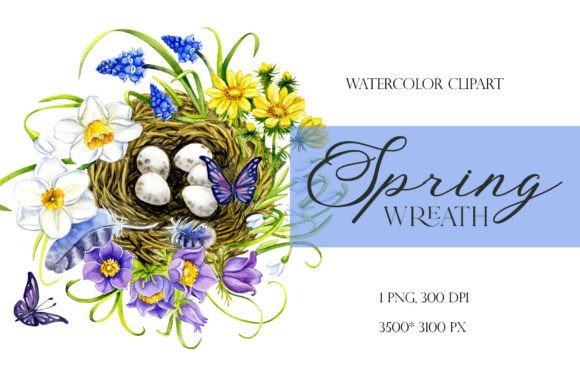
When I first opened the Spring Clipart, Watercolor Nest Flowers design, I was struck by its gentle, painterly quality. It’s the kind of illustration that feels both timeless and modern—like a breath of fresh air for embroidery projects that need a touch of nature without looking too literal or stiff. The watercolor texture gives it a soft edge, which makes it feel less like a traditional embroidery motif and more like a hand-painted accent.
From a design standpoint, this is a great fit for projects that lean into organic shapes, botanical themes, or a more artistic aesthetic. It’s not overly detailed, so it doesn’t overwhelm the fabric, but still carries enough visual interest to stand out on its own or as part of a larger layout.
Real-World Use: From Tote Bags to Baby Clothes
I decided to test Spring Clipart, Watercolor Nest Flowers on a few different real-life embroidery projects to see how it would hold up beyond just a digital preview. First up: a custom tote bag for a boutique client who wanted a nature-inspired line of reusable shopping bags. The soft watercolor look translated beautifully into a stitched design—especially when paired with a light linen fabric. It gave the tote a handmade, artisanal feel that felt just right for the brand.
Next, I stitched it onto a baby onesie. This is where the design really surprised me. The nest with tiny eggs motif is subtle but instantly recognizable, and it felt perfectly appropriate for a baby item. It wasn’t too busy, and the soft color palette worked well with pastel fabrics. I could easily see this being used for baby shower gifts, embroidered bibs, or personalized nursery decor.
Performance Across Different Embroidery Applications
As a designer who works with both personal and commercial embroidery projects, I always test a new design across a variety of use cases. Here’s how Spring Clipart, Watercolor Nest Flowers held up:
- Custom Apparel: Worked well on cotton tees and sweatshirts. The design’s moderate size and low stitch density made it easy to embroider without adding stiffness.
- Tote Bags & Tea Towels: Lends a soft, decorative touch that doesn’t overpower the fabric. Great for Etsy sellers offering embroidered home goods.
- Embroidered Patches: The design scaled well and maintained clarity even when reduced slightly for patch use.
- Holiday & Wedding Gifts: Its gentle theme makes it suitable for seasonal gifts like Easter baskets, bridal shower favors, or Mother’s Day keepsakes.
- Digital Mockups: The watercolor texture looked realistic in digital previews, which is a big plus for sellers using printable mockups to showcase their products online.
Where to Use It Carefully
Like any design, Spring Clipart, Watercolor Nest Flowers has its limitations. I noticed a few areas where extra care is needed:
- Small Hoop Sizes: The nest and flower elements are delicate. On smaller hoops, some detail may be lost unless you simplify or resize thoughtfully.
- Textured or Stretchy Fabrics: The soft lines and subtle shading can get distorted on knits or heavy canvas without proper stabilizer and tension settings.
- Dark Fabric Backgrounds: The light color palette doesn’t pop as well on black or navy unless you adjust thread colors or add a light underlay.
- Curved Surfaces (like caps): The design isn’t inherently curved, so placement on a curved surface like a baseball cap may require some layout adjustments.
- High-Wear Items: While it looks delicate, it’s best suited for items that won’t be washed constantly. The satin-stitched outlines and fill areas may fray slightly over time if used on frequently laundered garments.
Impact on Product Appeal and Branding
One of the biggest pluses of using Spring Clipart, Watercolor Nest Flowers is how it elevates the perceived value of a finished product. Whether it’s stitched onto a boutique tote or a custom baby blanket, it adds a level of sophistication that feels handmade but not amateurish.
For Etsy sellers and small shop owners, this kind of design helps build a cohesive brand identity—especially if your niche leans into botanical, rustic, or minimalist aesthetics. It’s the kind of embroidery that customers notice and remember, which is key for repeat business and word-of-mouth referrals.
Designer Notes: Practical Tips Before You Stitch
Before you jump into using this design in a real project, here are a few practical notes based on my testing:
- Test on Scrap Fabric: Always run a test stitch-out to check how the watercolor texture translates into actual stitches.
- Adjust Thread Colors: The default colors may not work for every fabric, so consider changing threads to match your project’s palette.
- Check Stitch Density: If the design feels too dense or too sparse, tweak the settings to suit your fabric type.
- Confirm Hoop Size: Make sure the design fits your hoop without distortion. If needed, scale it down carefully to maintain detail.
- Use the Right Stabilizer: A medium-weight tear-away or wash-away stabilizer works best to prevent puckering and distortion.
- Review Licensing: If you’re selling finished products or digital embroidery files, confirm the license allows commercial use.
Final Thoughts: A Solid Choice for Soft Embroidery Accents
Overall, Spring Clipart, Watercolor Nest Flowers is a versatile and aesthetically pleasing design that works well across a range of embroidery applications. It’s not overly complex, which makes it accessible for both hobbyists and small business owners, yet it carries enough visual depth to feel premium.
Whether you’re creating custom apparel, personalized baby gifts, or boutique merchandise, this design adds a soft, artistic touch that resonates with customers. Just be mindful of fabric type, hoop size, and placement, and you’ll get a polished, professional result every time.