Watercolor Cute Sleeping Animals Illustrations Review
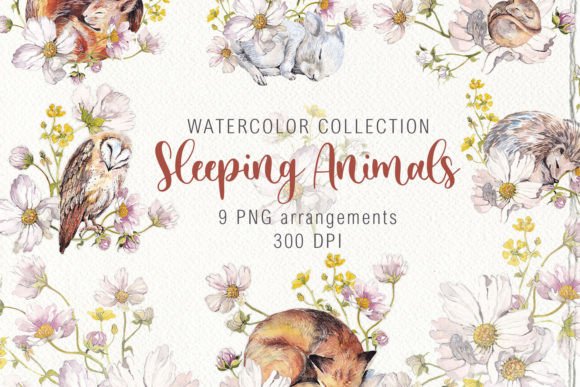
As a handmade business owner who has spent countless hours testing digital assets for real-world production, my first impression of the Watercolor Cute Sleeping Animals collection was one of immediate commercial viability. These illustrations do not just look pretty on a screen; they evoke a specific, marketable mood that resonates deeply with current nursery and children’s product trends. The aesthetic is undeniably cozy and soft, striking that delicate balance between playful and serene. For an Etsy seller or craft fair vendor, this graphic design asset suggests products that are gentle, premium, and emotionally connecting. It avoids the overly cartoonish look that can sometimes cheapen a handmade item, leaning instead into a watercolor style that feels artisanal and high-quality. When I look at these sleeping animals, I immediately envision a customer base of new parents, baby shower planners, and buyers looking for gender-neutral yet warm decor.
Real-World Applications for Nursery and Baby Products
In my own workflow preparing for a seasonal baby collection, I found these illustrations to be incredibly versatile across multiple mediums. For Cricut project creators and Silhouette project enthusiasts, the value lies in how these designs translate from screen to physical material. I tested the SVG design files specifically for vinyl application on wooden nursery signs and acrylic cake toppers. Because the sleeping animals have distinct silhouettes without excessive internal detailing, they cut cleanly on standard cardstock and adhesive vinyl settings. This makes them ideal for layered vinyl projects where registration marks can sometimes be tricky with more complex art.
Beyond cutting, these assets shine as sublimation design elements. I applied the PNG design files to ceramic mugs and 20oz skinny tumblers intended for mom gifts and baby announcements. The watercolor texture retains its integrity even when stretched across a curved tumbler wrap, which is a common failure point for lower-resolution clipart. For those running a print-on-demand business or creating inventory for a local market, these illustrations work beautifully for t-shirt design on heathered fabrics. The soft edges of the watercolor blend naturally with fabric textures, avoiding the harsh "sticker sheet" look that can plague digital-to-apparel transfers.
Printable Design and Paper Crafting Versatility
For makers focused on paper goods, the Watercolor Cute Sleeping Animals collection serves as a robust foundation for printable design. I utilized these assets to create a cohesive line of baby shower invitations, thank-you cards, and gift tags. The composition of the sleeping animals allows for ample negative space, which is crucial when you need to add custom typography without obscuring the art. In scrapbooking and planner sticker design, these illustrations act as perfect focal points. They are sized appropriately for standard planner layouts but possess enough resolution to be scaled up for wall art prints. As a digital product seller, offering these as part of a design bundle for other crafters could also be a lucrative angle, provided your commercial license permits redistribution or modification.
Where These Illustrations Perform Best in Production
Through testing, it became clear where this graphic design asset truly excels. Large-format applications are where the watercolor details pop most effectively. Tote bags, canvas nursery bins, and framed prints allow the brushwork to remain visible and textured. These illustrations are also exceptional for seasonal craft bundles centered around spring babies, winter lullabies, or woodland themes. They serve as excellent decorative accents on packaging; I used a small sleeping fox motif on tissue paper stickers for shipping, which elevated the unboxing experience significantly. For small business branding, these animals provide a consistent visual language that can be applied across social media templates, product photography props, and website banners, creating a recognizable brand identity for shops specializing in children's goods.
Navigating Technical Limitations and Sizing
However, no asset is perfect for every single application, and honesty in reviewing is vital for saving fellow crafters time and money. You must use caution when scaling these Watercolor Cute Sleeping Animals down to very small sizes. While the overall shapes are clean, the watercolor texture can become muddy or pixelated if reduced below two inches for intricate die-cutting. For layered vinyl projects involving tiny facial features or paws, test cuts are mandatory; the organic edges of watercolor do not always translate to crisp vector paths, potentially leading to weeding nightmares on detailed areas.
Additionally, be mindful of contrast when using these on dark backgrounds. Watercolor is inherently translucent and light. Without a white underbase or a printed background layer, these sleeping animals may disappear entirely on black shirts or dark wood. They are not suitable for single-color HTV unless you are using printable heat transfer vinyl. Also, avoid crowded compositions. These illustrations breathe best when given space; cramming them into dense patterns can lose the serene, sleeping quality that makes them attractive in the first place.
Essential Workflow Checks for Handmade Sellers
Before listing any finished product derived from this collection, implement a rigorous testing protocol. Always verify the commercial license terms first; ensure you are cleared for both physical end-products and digital derivatives if you plan to sell editable templates. Check the SVG lines in your cutting software before sending to the machine. Sometimes, auto-traced watercolor files contain stray nodes that cause jagged cuts; simplifying the path in Illustrator or within Cricut Design Space can save material waste.
- Preview Transparency: Open the PNG design in your editing software against both white and colored backgrounds to check for unwanted halos or gray fringing.
- Confirm Resolution: For sublimation and large prints, zoom in to 100% to ensure the DPI supports the physical size without blurring.
- Color Calibration: Print a test swatch on your specific paper or substrate. Watercolor colors often shift from RGB screen viewing to CMYK printing; adjust saturation curves if the sleepy pastels look washed out.
- Mockup Testing: Place the illustration on realistic product mockups before listing. Seeing the sleeping animal on a wrinkled linen shirt versus a flat digital canvas helps predict customer satisfaction.
- Font Pairing: Test typography combinations early. These soft illustrations pair best with rounded sans-serif fonts or delicate handwritten scripts. Avoid bold, industrial display fonts that clash with the gentle mood.
Building a Cohesive Collection for Creative Marketplaces
Ultimately, the Watercolor Cute Sleeping Animals asset is a strong contender for any creative entrepreneur in the baby and nursery niche. Whether you are designing for a craft fair booth or optimizing listings on a creative marketplace, the key is leveraging the emotional warmth of the art while respecting its technical boundaries. By treating this as a professional commercial design element rather than just cute clipart, you can build a product line that stands out for its quality and cohesion. Remember to document your settings and successful pairings; over time, this builds an efficient workflow that turns beautiful illustrations into profitable handmade business staples. Always prioritize the final tactile result over the digital preview, as your customers are buying a physical feeling of comfort, not just a digital file.