Watercolor Cute Easter Chick Clipart Review
First Impressions: Translating Digital Softness to Thread
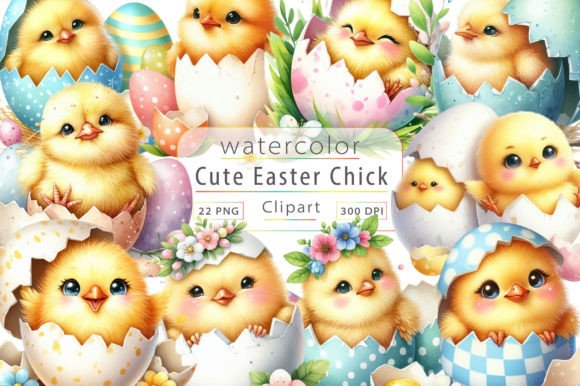
When I first opened the Watercolor Cute Easter Chick Clipart file, my immediate reaction was a mix of delight and professional caution. As an illustrator asset, it is undeniably charming. The soft gradients, blended edges, and whimsical personality capture that quintessential spring aesthetic that customers crave for holiday merchandise. However, as an experienced embroidery designer, I know that what looks effortless on a screen requires deliberate technical translation to look good in thread. Watercolor styles are notoriously tricky for machine embroidery because they rely on visual blending that satin stitches and fill stitches do not naturally replicate.
The mood of this illustration is gentle and nostalgic, making it ideal for baby items, nursery decor, and boutique apparel. It does not scream "commercial mascot"; instead, it whispers "handmade heirloom." This distinction matters. If you are planning to use this for high-volume craft fair sales or Etsy listings, understand that its value lies in its perceived delicacy. The shape is rounded and organic, which is excellent for avoiding harsh corners during stitching, but the internal detail level will dictate your success. Before committing this design to a final product, I had to evaluate whether the clipart’s watercolor texture could be achieved through thread color blending or if it required a printed fabric base with embroidery accents.
Real-World Application: Stitching a Custom Baby Sweatshirt
To truly test the viability of this Watercolor Cute Easter Chick Clipart, I decided to apply it to a custom embroidered sweatshirt intended as a personalized gift for a toddler. Sweatshirts are a staple for small shop products and Etsy sellers during the spring season, but the fleece backing and stretchy knit present specific challenges for detailed illustrations.
My primary concern was maintaining the "cute" factor without the design becoming a dense, bulletproof patch of thread. Watercolor art often implies transparency, but standard fill stitches are opaque. For this project, I opted to treat the clipart as a hybrid applique design rather than a full-coverage embroidery file. I used a lightweight cotton fabric for the chick’s body, securing it with a narrow running stitch, and then utilized lighter density fill stitches only for the defining features like the beak and eyes. This approach preserved the softness of the original illustration while ensuring the sweatshirt remained wearable and flexible.
The result was a finished product that felt high-end and thoughtful. Customers often associate heavy, dense embroidery with commercial manufacturing, whereas this lighter, mixed-media approach signaled "artisan quality." For creative entrepreneurs, this distinction can justify a higher price point. The chick’s expression remained clear even at a smaller scale, proving that the illustration’s core character survives the digitizing process when handled with restraint.
Navigating Fabric Textures and Hoop Limitations
While this design shines on stable knits and cottons, you must exercise caution when applying Watercolor Cute Easter Chick Clipart to difficult substrates. The watercolor aesthetic relies on clean color transitions, which can easily get lost on textured fabrics like terry cloth towels or chunky linen. If the fabric texture competes with the stitch detail, the chick will look muddy rather than magical. For tea towels or kitchen linens, I recommend using a tear-away topper or a water-soluble stabilizer to create a smooth surface that allows the thread colors to blend visually.
Hoop size is another critical variable. This illustration likely has a specific aspect ratio that does not tolerate extreme resizing. Stretching a watercolor-style embroidery file too wide or too tall will distort the proportions of the chick, turning "cute" into "uncanny." Always check the native dimensions of the digital embroidery file before purchasing or digitizing. If you need a larger version for a tote bag design or pillow cover, verify that the stitch density has been adjusted accordingly. Simply expanding the design in your machine software will increase spacing between stitches, creating gaps that ruin the watercolor illusion. Conversely, shrinking it too much for a cap or pocket logo may cause overlapping satin stitches to pile up, leading to needle breaks or fabric puckering.
Dark fabrics also pose a risk. Watercolor clipart is typically designed with light backgrounds in mind. Placing this chick directly onto navy or black fabric without a white underlay or applique base will cause the pastel thread colors to vibrate unpleasantly or disappear entirely. Always test contrast on scrap fabric first. A printable mockup is useful for layout, but a physical stitch-out on the actual garment material is non-negotiable for verifying color integrity.
Commercial Viability and Brand Consistency
For Etsy sellers and handmade shop owners, consistency builds trust. Using Watercolor Cute Easter Chick Clipart across multiple product lines can create a cohesive holiday collection, but only if the execution remains uniform. If you sell both embroidered patches and custom apparel, ensure the stitch files are optimized for each format. A patch requires a merrowed edge and denser coverage, while a baby onesie demands minimal stitch count for comfort. Do not use the same embroidery file for both applications just to save time; the end user will notice the difference in quality.
Consider the licensing and commercial rights associated with these illustrations. Before listing any finished product or digital asset, confirm whether the license permits commercial embroidery. Some designers allow the sale of physical handmade items but prohibit the resale of the digital embroidery file itself. Clarifying this protects your business and respects the original artist. Furthermore, if you are selling personalized gifts, ensure the design leaves adequate negative space for names or dates. The organic shape of this chick usually offers good opportunities for curved text placement, enhancing its giftability without overcrowding the hoop.
Designer Notes for Successful Execution
Based on my testing and experience, here are practical steps to ensure your projects succeed:
- Test on Scrap Fabric First: Never run a new watercolor-style design on a final garment without a test stitch-out. Check how the thread colors interact with the specific fabric weight and texture.
- Evaluate Stitch Density: Inspect the file in your embroidery software. If the fill stitches are too dense for a baby item or lightweight shirt, reduce the density or switch to a tatami pattern to maintain softness.
- Verify Stabilizer Choice: For stretchy knits, use a cut-away stabilizer to prevent distortion. For woven fabrics like tote bags, a medium-weight tear-away may suffice. The wrong stabilizer will cause registration errors that destroy the watercolor effect.
- Check Thread Color Contrast: View your thread palette in natural lighting. Pastel threads can look washed out under store lighting but vibrant in daylight. Ensure the beak and eye details have sufficient contrast against the body color for facial recognition.
- Confirm Licensing Terms: Double-check whether the clipart license covers commercial embroidery sales, especially if you plan to offer this as part of a seasonal collection or bundle.
- Mockup Realistically: Use printable mockups that show fabric texture, not just flat vector overlays. This helps set accurate customer expectations regarding the tactile nature of the finished product.
Ultimately, Watercolor Cute Easter Chick Clipart is a versatile asset for the creative entrepreneur who understands the bridge between digital art and textile craft. It offers immense potential for holiday embroidery, personalized gifts, and boutique branding, provided you respect the technical limitations of translating paint to thread. By approaching this design with intentionality—testing, adjusting, and validating—you can transform a simple illustration into a profitable, professional-grade embroidered product that resonates with buyers seeking genuine handmade charm.